Introduction
In the automotive industry, consistency is everything. From large-scale OEM production lines to Tier 1 and Tier 2 suppliers, even small variations in raw materials can create major downstream issues. A slight change in formulation, delayed delivery, or incomplete documentation can lead to production slowdowns, quality defects, or even product recalls.
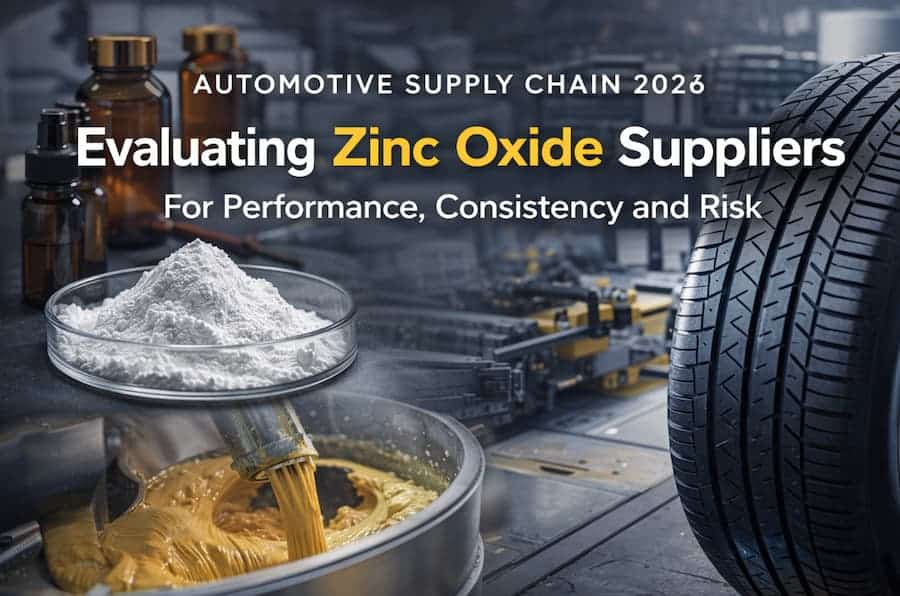
Zinc oxide is a critical material used across multiple automotive applications, including rubber components, tires, coatings, sealants, and corrosion protection systems. Because of its role in performance-critical processes, the reliability of a zinc oxide supplier directly affects manufacturing outcomes.
In 2026, evaluating zinc oxide suppliers is no longer just about price comparison. It requires a structured approach that considers consistency, supply stability, documentation, and long-term reliability. Automotive manufacturers and suppliers must think beyond short-term savings and focus on building a supply chain that supports stable production and predictable performance.
This guide outlines a practical and easy-to-follow framework for evaluating zinc oxide suppliers specifically within the automotive sector.
1. The Role of Zinc Oxide in Automotive Manufacturing
Zinc oxide is widely used in automotive production due to its chemical and physical properties. It plays a key role in:
- Rubber manufacturing, especially in tires and sealing components
- Coatings and paints, where it contributes to corrosion resistance
- Adhesives and sealants, improving bonding strength and durability
- Surface treatments, supporting long-term material stability
In rubber applications, zinc oxide is essential for vulcanization, affecting how rubber cures and performs under stress. In coatings, it helps protect metal surfaces from corrosion, which is critical for vehicle longevity.
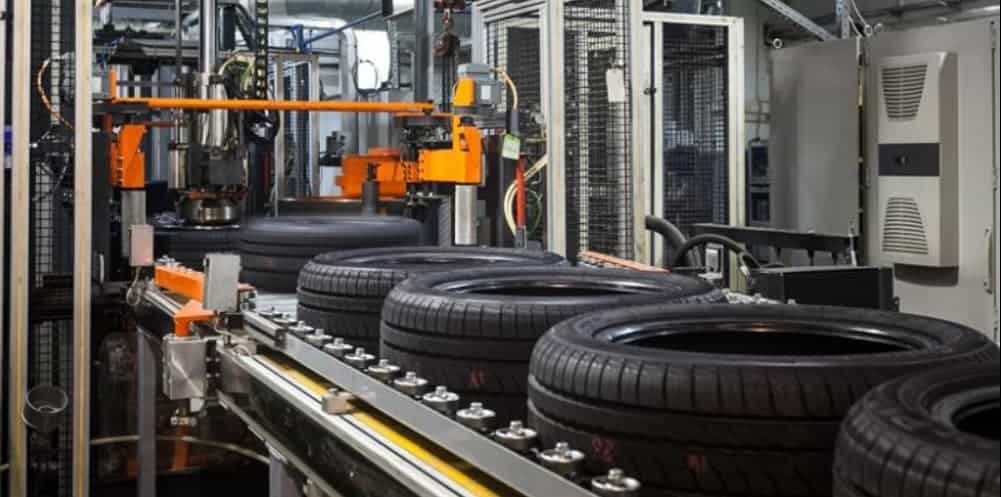
Because these applications are directly linked to performance and safety, any inconsistency in zinc oxide quality can lead to:
- Reduced durability
- Increased defect rates
- Variations in product performance
- Compliance issues with industry standards
This is why automotive companies prioritize suppliers who can deliver consistent, repeatable quality, not just acceptable specifications on paper.
2. Why RFQ-Based Comparison Is Not Enough
Many sourcing processes begin with a Request for Quotation (RFQ). While RFQs are useful for comparing price and basic terms, they do not provide a complete picture of supplier capability.
An RFQ typically includes:
- Price per unit
- Packaging format
- Lead time estimate
- Basic specifications
However, it does not show:
- Batch-to-batch consistency
- Real delivery reliability
- Technical support capabilities
- Documentation quality over time
In automotive manufacturing, these factors are often more important than price. A supplier offering a lower price may still introduce risk if they cannot maintain stable quality or reliable delivery.
Instead of relying solely on RFQs, buyers should use them as a screening tool to shortlist suppliers. The final decision should be based on deeper evaluation, including testing, communication, and operational reliability.
3. Sample Testing: The Most Critical Step
Sample testing is one of the most important steps in evaluating a zinc oxide supplier. However, it must be done correctly to provide meaningful results.
Before testing, buyers should confirm:
- The sample is taken from regular production stock, not specially prepared
- It includes a recent Certificate of Analysis (COA)
- Storage and handling conditions match real supply scenarios
Testing should simulate actual production conditions. For automotive applications, this may include:
- Rubber components: curing performance, dispersion, and consistency
- Coatings: stability, surface quality, and adhesion
- Sealants: bonding strength and durability
It is also important to test repeatability. A single successful result does not guarantee long-term consistency. Whenever possible, buyers should request multiple samples from different batches.
In addition to product performance, the sample stage provides insight into supplier behavior:
- How quickly did they respond?
- Was the documentation complete and accurate?
- Did they follow up after delivery?
These factors often indicate how the supplier will perform in a long-term relationship.
4. Consistency Over Time: The Key to Automotive Quality
In automotive manufacturing, consistency is more important than peak performance. A supplier that delivers one excellent batch but struggles with consistency can create serious production issues.
Buyers should focus on:
- Variation between batches
- Stability of key specifications
- Supplier quality control processes
A consistent supplier helps:
- Reduce production variability
- Maintain product quality
- Minimize defect rates
On the other hand, inconsistent supply can lead to:
- Frequent adjustments in production
- Increased quality checks
- Higher rejection rates
Over time, these issues increase operational cost and reduce efficiency.

5. Capacity and Supply Stability
Capacity is often misunderstood as simply how much a supplier can produce. In reality, it is about how well they can support your specific demand.
Key considerations include:
- Can the supplier handle fluctuations in order volume?
- Do they have backup production capabilities?
- How do they manage peak demand periods?
In automotive supply chains, production schedules are tightly controlled. Any disruption in material supply can affect the entire production line.
Buyers should also evaluate:
- Whether the supplier holds inventory locally
- Their ability to respond to urgent orders
- Their flexibility in handling changes
A supplier with strong capacity planning reduces the risk of shortages and delays.
6. Lead Time and Logistics Reliability
Lead time is a critical factor in automotive manufacturing, where timing is closely linked to production schedules.
Instead of accepting a single lead time figure, buyers should understand:
- Whether lead time is based on stock or production
- How stable it is over time
- What happens during peak demand
Logistics also plays a key role:
- Packaging quality and durability
- Transportation methods
- Handling of delays or disruptions
Unreliable lead times can result in:
- Production downtime
- Emergency sourcing
- Increased inventory costs
A reliable supplier provides realistic lead times and communicates clearly when changes occur.
7. Documentation and Traceability Requirements
Automotive supply chains require strict documentation for quality control and compliance.
A strong zinc oxide supplier should provide:
- Technical Data Sheets (TDS)
- Safety Data Sheets (SDS)
- Certificates of Analysis (COA)
- Full lot traceability
Traceability is especially important because it allows manufacturers to:
- Identify affected batches in case of issues
- Conduct root cause analysis
- Meet audit and regulatory requirements
Poor documentation can create serious risks, particularly in export markets or regulated environments.
8. Communication and Technical Support
Communication is often overlooked, but it has a direct impact on operational efficiency.
Strong suppliers:
- Respond quickly and clearly
- Provide detailed technical explanations
- Communicate proactively about potential issues
Weaker suppliers:
- Delay responses
- Provide vague or incomplete information
- Avoid technical discussions
In automotive environments, slow or unclear communication can delay problem-solving and increase downtime.
Good communication helps:
- Resolve issues faster
- Improve collaboration between teams
- Reduce operational risk
9. A Structured Trial-to-Approval Process
To ensure reliable supplier selection, buyers should follow a structured approval process.
Step 1: Document Review
Confirm specifications, compliance, and documentation
Step 2: Sample Testing
Evaluate performance under real conditions
Step 3: Trial Order
Test delivery, packaging, and consistency
Step 4: Full Approval
Approve only after stable results are confirmed
This step-by-step approach reduces risk and ensures that suppliers are validated before full integration.
10. Common Mistakes to Avoid
Some common mistakes in supplier evaluation include:
- Comparing non-equivalent specifications
- Approving based on a single sample
- Ignoring documentation quality
- Underestimating lead time risks
These mistakes often lead to issues during production, not during evaluation.
Avoiding them helps create a more stable and reliable supply chain.
11. Long-Term Value vs. Short-Term Cost
While price is always important, it should not be the only factor in supplier selection.
A reliable supplier provides:
- Consistent quality
- Stable delivery
- Strong technical support
These benefits help reduce:
- Production downtime
- Quality issues
- Long-term operational costs
In many cases, a slightly higher price is justified by improved stability and reduced risk.
Conclusion
In the automotive industry, evaluating zinc oxide suppliers requires a structured and practical approach. By focusing on consistency, sample validation, capacity, lead time, documentation, and communication, buyers can reduce risk and improve production stability.
At Global Chemical Co., Ltd., we understand the importance of reliable supply in automotive manufacturing. As experienced zinc oxide suppliers, we provide consistent quality, strong documentation, and dependable delivery across our product range, including active zinc oxide, BP and USP grades, nano zinc oxide, zinc carbonate, zinc ammonium chloride, and zinc sulphate. Established in 1974, we support customers in Thailand and global markets, helping automotive manufacturers maintain stable, efficient, and high-performance operations.
Frequently Asked Questions (FAQ)
What should automotive buyers look for in a zinc oxide supplier?
Automotive buyers should focus on consistency, not just price. Key factors include batch-to-batch stability, reliable lead times, complete documentation, and strong technical support. A supplier that can deliver the same quality repeatedly is more valuable than one offering the lowest initial cost.
Why is zinc oxide important in automotive manufacturing?
Zinc oxide plays a critical role in rubber components, coatings, sealants, and corrosion protection systems. It directly affects durability, performance, and safety. Any variation in quality can lead to defects, reduced product lifespan, or compliance issues.
Is a successful sample enough to approve a supplier?
No. A single successful sample only shows short-term performance. Buyers should test multiple batches and, if possible, run a trial order. Long-term consistency is more important than one strong result.
How do lead times impact automotive production?
Lead times affect production scheduling. Unstable or delayed deliveries can cause downtime, emergency sourcing, and higher operational costs. Reliable suppliers provide realistic timelines and communicate early if delays occur.
Why is documentation and traceability so important?
Automotive supply chains require strict quality control. Documents like COA, TDS, and SDS help verify material quality and ensure compliance. Traceability allows companies to identify affected batches quickly if issues arise, reducing risk and cost.
What are common mistakes when selecting zinc oxide suppliers?
Some common mistakes include comparing non-equivalent specifications, relying only on RFQs, approving based on one sample, and ignoring documentation quality. These issues usually create problems later during production scaling.
How can buyers reduce risk when onboarding a new supplier?
A structured process helps reduce risk. This includes reviewing documents, testing samples under real conditions, placing a small trial order, and only approving the supplier after consistent results are confirmed.
When should buyers prioritize stability over price?
Stability should be prioritized when zinc oxide affects product performance or production continuity. In automotive manufacturing, a reliable supplier can reduce defects and downtime, often resulting in lower total cost over time.